The Professional Code: Posing Techniques, Tattoos, Brand Reputation & Industry Standards
In high-fashion, commercial advertising, cinema, and corporate personal branding, standing in front of a camera requires far more than just looking good. It demands technique, versatility, physical awareness, and strict brand management.
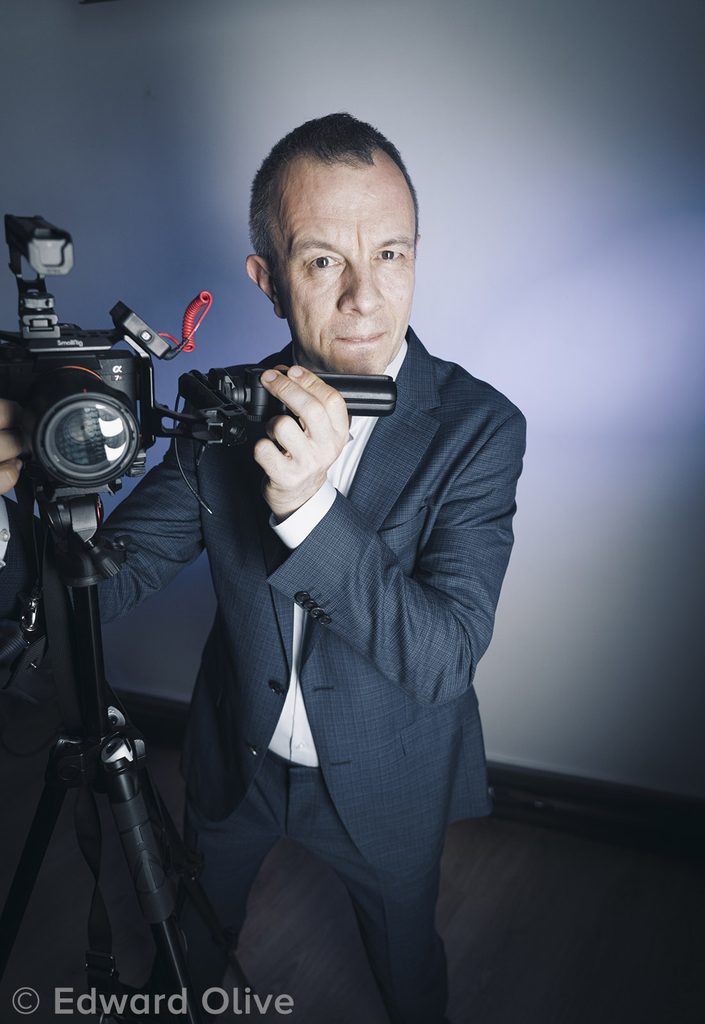
Written by Edward Olive—professional actor (since 1998), commercial photographer (since 2005), and international public speaking and acting coach (since 2002)—this guide breaks down the essential rules that separate industry amateurs from elite professionals.
1. The «Chameleon» Mindset vs. The Amateur Trap
The single biggest career-killer for models, actors, and professionals is refusing to adapt because a look or narrative «doesn’t fit their personal social media aesthetic».
- You Are the Canvas, Not the Celebrity: Unless you are a global star, the creative team (photographer, director, MUA, stylist) creates the narrative. Your job is to embody their vision with 100% commitment.
- The «Selfie» Portfolio Trap: Casting directors and luxury clients do not book talent based on mobile phone selfies or heavily filtered social media posts. They want to see how a professional photographer lights, frames, and directs you under studio standards.
- Fighting Typecasting (The Stallone Lesson): Longevity comes from range. A professional portfolio should showcase multiple distinct «lives» on camera: clean natural skin, corporate commercial, high-fashion editorial, and specific character roles.
2. Technical Posing Vocabulary: 20 Core Terms for Elite Talent
When working with top-tier photographers and film directors, understanding technical studio language allows you to adjust instantly on set:
Body & Silhouette
- The S-Curve: Shifting weight so the spine and hips form an ‘S’ shape for maximum flow and grace.
- Contrapposto (Counter-Pose): Tilting shoulders one way and hips the other to break symmetry naturally.
- Negative Space: Creating intentional «windows» of space between limbs and torso to keep the silhouette clean.
- Elongation: Stretching the neck and spine upward to maximize poise and stature.
- The Hinge: Bending at the waist or hips to create dramatic geometric angles in the frame.
Face & Eyes
- Smize: Smiling exclusively with the eyes by tightening the lower eyelids while keeping the mouth relaxed.
- The Squinch: Narrowing the eyes subtly to convey confidence and intensity instead of a wide-eyed «deer in headlights» look.
- Jaw-Extension: Pushing the chin slightly forward and down to elongate the neck and eliminate shadows.
- The Parted Lip: Relaxing the mouth slightly open to eliminate facial tension and add editorial depth.
- The Catchlight: Angling your face so studio lights reflect directly in the pupils, bringing life to the gaze.
3. Wardrobe & Makeup Standards for Headshots
Your clothing and makeup should frame your face, never distract from your eyes or expression:
- Dark Neutrals Over Solid Black: Opt for navy blue, charcoal grey, forest/olive green, or deep dark chocolate. Solid black can sometimes absorb light or create harsh contrast under studio strobes.
- Avoid Logos & Heavy Patterns: Visible branding dates your photos, creates legal rights issues for commercial clients, and distracts casting directors from reading your gaze.
- Real Skin vs. Heavy Masks: Casting directors need to see your real features and skin texture. Avoid heavy contouring or high-coverage foundations; choose light BB creams, spot concealing, and natural-matte finishes.
4. High-Performance Lifestyle & Industry Ethics
- Maintain the «Clean Canvas»: Your skin, energy, and vitality are your primary physical tools. Staying clean, hydrated, and fit ensures you remain bookable for decades.
- The Artificial Trap: Excessive plastic surgery, heavy fillers, and Botox freeze the facial micro-expressions required for genuine acting and high-fashion editorial work. Top agencies and directors look for authentic human beauty and physical character.
- Professional Humility & Networking: Punctuality, clear communication, and crediting the entire crew (MUA, stylist, photographer) are essential soft skills. Reputation travels faster than a portfolio.
5. Tattoos: Why Your Body Must Be a «Blank Canvas»
In elite high-fashion, global commercials, and cinema, a permanent tattoo is frequently a career-killing barrier.
- The Elite Rejection Rate: Major modeling boards enforce strict «no-tattoo» policies, closing the door to 90% of high-paying luxury campaigns.
- The Makeup & Budget Nightmare: Covering tattoos under 4K cinema cameras or 60MP sensors is costly, looks cakey, and risks staining expensive designer wardrobe.
- Copyright & Legal Traps: Global brands (like Nike or Apple) require a signed «Property Release» from the original tattoo artist. If unavailable, casting directors will bypass you entirely to stay problem-free.
- The One-Campaign Trap: Visible ink locks you into a specific niche, preventing you from transitioning smoothly between a 1920s period film on Monday and a clean-cut corporate ad on Tuesday.
6. Protecting Your Brand: Art Erotica vs. The «OnlyFans» Trap
Your digital presence is your global shop window. Confusing online attention with professional success destroys careers before they begin.
- The OnlyFans & Thirst Trap Hazard: Serious luxury and commercial brands will not associate their image with adult-oriented content or low-level gym/holiday selfies. Doing so builds a «digital shadow» that filters you out of 99.99% of professional bookings.
- High-Level Glamour vs. Amateur Garbage: The human body has a place in high art, but it requires elite execution—professional lighting, world-class photography, and sophisticated styling. Mobile phone selfies or suggestive beach photos signal amateurism.
- Sophistication is Currency: Keep personal lifestyle photos private. Build your physical brand through professional fitness or editorial test shoots that demonstrate versatility rather than cheap online engagement.
Book Your Personal Pre-Shoot & Posing Coaching Session
Ready to eliminate amateur habits and elevate your portfolio, headshots, or executive brand to international industry standards?